
Why You Shouldn’t Always Spoil Your Dog
Spoiling your dog might feel like an act of love, but consistently giving in to demands, overfeeding treats, or allowing your dog to ignore boundaries can lead to serious behavioural and health problems. Dogs rely on structure, predictability and guidance to feel secure. Without clear rules, many dogs become stressed, anxious or even aggressive because they believe they have to take charge.
Lack of boundaries can result in demanding behaviour, poor obedience, possessiveness and social issues, while overfeeding and reduced exercise often contribute to obesity and long-term health risks. The goal isn’t to withhold affection, but to understand how to provide love in a balanced, healthy way that supports your dog’s emotional wellbeing, confidence and behaviour.
What “Spoiling” a Dog Really Means
The Difference Between Love and Overindulgence
Loving your dog builds trust and emotional connection. Overindulgence, however, happens when affection, dog food, treats or privileges are given with no structure or expectations. While cuddles, belly rubs and healthy food can all be part of a healthy bond, spoiling becomes a bad habit when rewards reinforce unwanted behaviour or replace proper training.
Many dogs interpret constant indulgence as permission to ignore boundaries, leading to bad behaviour over time.
Why is Spoiling Usually Unintentional
Most dog owners don’t deliberately spoil their pets. It develops gradually, giving an extra treat because it feels good, letting the dog dictate routines around the house, or allowing behaviours “just this once.” Dogs quickly realise what works, and these small allowances add up.
Spoiling usually stems from wanting to make your dog feel safe and loved, without realising the behavioural consequences of inconsistent rules.
How Human Emotions Influence Over-Pampering (Loneliness, Guilt, Affection)
Owners often project their own emotions onto their animals:
- Loneliness can lead to constant attention and reliance
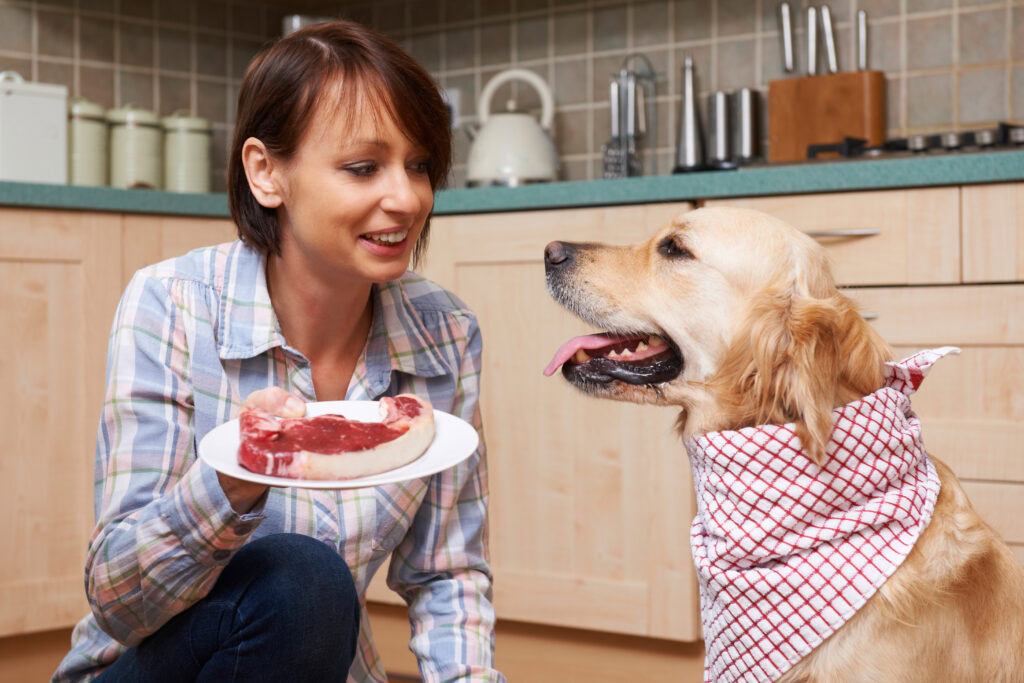
- Guilt after time apart results in table scraps, human food, or leniency
- Affection causes people to say “yes” when “no” would be healthier
These responses are human-focused, not dog-focused, and often reinforce bad behaviour rather than good behaviour.
Understanding the difference between human needs and canine needs helps avoid habits that can cause long-term issues.
Why You Shouldn’t Always Spoil Your Dog
Lack of Boundaries Creates Confusion and Stress
Dogs feel safest when expectations are clear. Without rules, many dogs must interpret situations on their own, which can cause anxiety and the belief that they must control the household.
This responsibility is stressful for most pets. Boundaries meet a dog’s basic needs, help them feel secure and prevent tension.
Dogs Thrive on Clear Structure and Predictable Routines
Predictable routines help your dog understand when they’ll eat, walk, rest or play. Structure prevents overstimulation and helps them navigate their environment calmly.
Spoiling disrupts consistency and makes life confusing, increasing the likelihood of bad habits forming. Dogs thrive when their day has rhythm and purpose.
Why Affection Without Rules Backfires
Affection is powerful, but if given at the wrong time, during barking, jumping or demanding attention, it reinforces the behaviour you’re trying to reduce.
Dogs quickly learn that excitement earns a reward. When affection is paired with boundaries, it strengthens emotional stability and good behaviour.
6 Signs Your Dog Might Be Spoiled
1. Your Dog Ignores Commands Unless a Treat is Involved
If your dog only obeys when a treat is visible, they’ve learned that commands are optional unless rewarded with food. This often comes from using treats as bribes rather than structured positive reinforcement.
A spoiled dog should respond because they understand the cue, not because they expect human food or snacks.
2. They Demand Attention on Their Schedule
Many dogs learn to control family members through nudging, pawing, whining or barking until they’re rewarded with attention.
This creates a cycle of demand and reward that undermines good manners.
3. They Refuse to Walk or Expect to be Carried
Dogs that have been overindulged may refuse walking altogether, expecting to be carried like children.
This reduces exercise, encourages avoidance behaviour and reinforces unhealthy dependency. Walking is essential to a healthy life.
4. They Become Anxious When You’re Not Around
If a dog spends lots of time receiving constant attention, never being left alone or being treated like a baby, they may never develop independence.
Many dogs with separation anxiety were unintentionally spoiled early on and now struggle to feel secure.
5. They Guard Toys, Food or Even You
A spoiled dog may guard toys, food bowls, treats, furniture or even their dog owner.
Guarding signals a lack of boundaries and can escalate into aggression toward family members, friends or other dogs.
6. They control household routines
A spoiled dog may decide when you wake up, when meals happen, or when walks occur. When a dog’s preferences override the household’s needs, stress and anxiety increase because the dog feels responsible for control.
Behavioural Problems Caused by Spoiling
Stress and Anxiety From Unclear Expectations
Dogs who don’t know what’s expected often experience chronic stress. Undefined rules make even simple routines overwhelming.
A dog that doesn’t feel secure may check doors, follow you constantly or react to minor noises.
Increased Clinginess and “Velcro Dog” Behaviour
Constant attention teaches many dogs that being close to their owner is the only way to feel safe.
This creates intense attachment, leading to bad habits like constant following, whining and emotional dependence.
Demand Barking, Whining and Attention-Seeking
Dogs repeat behaviour that works. If pushing, barking or whining earns attention, they’ll use those behaviours to control family members.
Lead Pulling, Jumping and Overexcitement
Spoiled dogs often struggle with impulse control. Without boundaries, they learn that excitement is acceptable and even rewarded.
This shows up as:
- Jumping on people
- Charging through doors
- Pulling excessively on walks
- Overreacting to stimuli
- Difficulty settling during greetings
What starts as “cute” puppy behaviour can quickly escalate into unsafe habits, particularly with larger breeds. These behaviours are typically rooted in overstimulation and a lack of consistent training.
Possessiveness and Resource Guarding
When dogs believe toys, beds, clothes or people belong to them, guarding develops. This is a major sign that boundaries have slipped.
Aggression Triggered by a Lack of Impulse Control
Aggression often develops when spoiled dogs have never been taught limits. If a dog has learned that pushing, barking, or demanding gets them what they want, frustration can turn into aggression when their expectations aren’t met.
This can show up as:
- Snapping when denied a treat
- Growling when moved from furniture
- Lunging at dogs or people when overexcited
- Protecting the owner or household items
At its core, this type of aggression is a breakdown of impulse control, not a sign of a “bad” dog. It’s a behavioural pattern shaped by inconsistent boundaries.

How Spoiling Impacts Your Dog’s Mental Well-being
Dogs Crave Leadership, Not Dominance
Dogs don’t need harsh rules; they need calm leadership. Leadership helps them feel secure and understand their place in the world.
Why Structure Builds Confidence
Clear routines remove decision-making pressure. Dogs feel confident and calm when they know what comes next: feeding, rest, sleep, play, exercise and social time.
Emotional Regulation and Impulse Control
Impulse control must be taught. Without guidance, many dogs become impulsive, jumping, barking, snatching food or overreacting to other dogs. Structured training helps reinforce good behaviour.
How Constant Indulgence Undermines Your Dog’s Coping Skills
When a dog is constantly indulged, receiving attention on demand, being given treats for every behaviour, or having emotional discomfort immediately soothed, they never learn to self-soothe or work through mild frustration. This creates a fragile behavioural foundation.
These dogs often struggle with:
- Being left alone
- Hearing unfamiliar noises
- Interacting with new people or dogs
- Handling delayed gratification
- Coping with unexpected changes
By eliminating every small challenge, owners unintentionally make their dog less resilient. Healthy coping skills come from a mix of love, structure and opportunities for calm independence, not constant indulgence.
Setting Healthy Boundaries
Meal-Time Structure and Food Manners
Feed at set times, not when your dog begs. Teach sit and wait for feeding to reinforce patience. Avoid sharing human food or table scraps, as these encourage entitlement and poor behaviour.
Toy and Chewing Boundaries
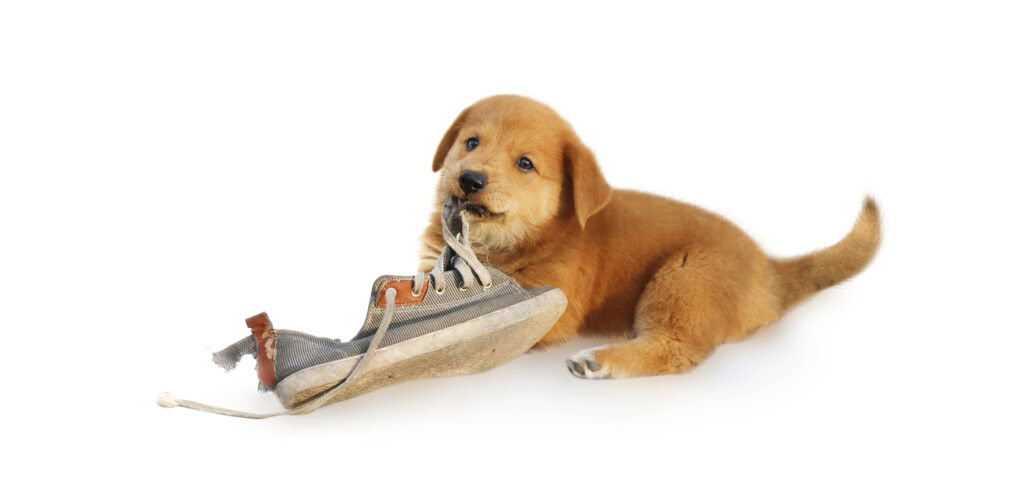
Rotate toys, set chewing rules and teach your dog what belongs to them. This prevents destructive habits and resource guarding.
Personal Space and Bed/Couch Rules
Sharing furniture is fine when it happens on your terms. If your dog jumps up uninvited, growls when moved or refuses to give you space, boundaries need reinforcing.
Simple rules like “up” and “off” help your dog understand that access to furniture is a privilege. Consistent personal-space rules reduce guarding behaviours and keep interactions calm and respectful.
Attention Boundaries: When Not to Engage
One of the fastest ways to spoil a dog is by giving attention every time they demand it. Rewarding nudging, barking or pawing teaches them that pushy behaviour works. Instead, ignore demanding behaviour and engage when your dog is calm and patient.
This teaches independence, prevents clinginess and reduces the risk of separation anxiety. Starting these habits early makes a huge difference in long-term behaviour.
When Spoiling is Perfectly Fine (In Moderation)
Affection When Your Dog is Calm
Affection is healthy when it reinforces the right behaviour. Patting or cuddling your dog when they’re calm, relaxed or showing polite manners helps build emotional stability. Giving affection during demand barking or overexcitement teaches the wrong lessons, so timing matters far more than quantity.
Treats For Training Progress
Treats used during training are not spoiling; they’re effective reinforcement. When treats are tied to learning, recall, manners or impulse control, they support good behaviour. Keep treat portions small and purposeful, avoiding random snacks that encourage begging.
Allowing Couch/Bed Access With Rules
Letting your dog on the couch or bed can be a positive bonding experience when access is given by invitation.
Teaching “up” and “off” maintains boundaries and prevents entitlement or guarding. When furniture privileges are earned, not taken, they enhance your relationship without causing behavioural issues.
Special Outings, Toys and Mental Stimulation
Extra adventures like beach trips, sniff walks, puzzle toys or enrichment games are excellent ways to “spoil” your dog. These activities support physical health, reduce anxiety and provide mental stimulation.
Unlike overfeeding or unrestricted attention, enrichment-based spoiling improves behaviour and overall well-being.
When to Seek Professional Help
If Aggression or Guarding Develops
Growling, snapping or guarding food, toys, or people is a sign your dog needs expert support. These behaviours are high-risk and escalate quickly without proper intervention.
A qualified trainer can address the root cause safely and prevent the issue from worsening.
If Anxiety is Worsening
Clinginess, pacing, vocalising or distress when left alone suggests separation-related anxiety.
When anxiety does not improve or intensifies, a professional can create a tailored plan to build independence and reduce emotional reliance on the owner.
If Your Dog Becomes Unmanageable
Ignoring commands, jumping on guests, lead pulling, or difficulty settling indicate that structure has slipped.
A trainer can help restore boundaries, improve communication and teach your dog the skills needed for a calmer household.
How a Trainer Helps Reset Boundaries Safely
A professional trainer provides clarity, structure and personalised guidance. They identify missing boundaries, teach humane correction methods, show you how to reward desired behaviour properly and help reshape habits safely.
Most dogs improve quickly with expert support, giving families a more balanced, confident companion.
Understand More About Spoilt Dog Behaviour At Allbreeds! Contact Us Today!
If you’ve recognised some of these signs in your own dog, you’re not alone, and you’re not a “bad” owner. Spoilt dog behaviour is usually the result of love without enough structure, and with the right guidance, it can be turned around. At Allbreeds, we help dogs and their families rebuild healthy boundaries, improve manners and restore calm, confident behaviour at home and out in the world.
If you’re ready to give your dog the good life they deserve, built on clear rules and genuine understanding, get in touch with our team today!