

What Is the 3-3-3 Rule for Dog Training?
The 3-3-3 rule for dogs is a simple guideline that explains how dogs adjust to a new home over three key stages: the first 3 days, 3 weeks, and 3 months.
In the first 3 days, most dogs feel overwhelmed and need time to decompress. By 3 weeks, they begin learning routines and may start testing boundaries. After 3 months, they typically feel secure, build trust, and settle into their new environment.
While every dog adjusts at their own pace, including puppies and adult dogs, this framework helps owners set realistic expectations and support effective training from day one.
Why the 3-3-3 Rule Matters for Dog Training
The rules are more than a settling guide; they lay the foundation for effective, long-term dog training.
It introduces structure at the right pace, helping your new dog adjust to a new environment without becoming overwhelmed or developing unwanted behaviours.
For many pet owners, the early stages can feel uncertain. Some do too much too soon, while others hold back entirely. This helpful framework creates balance by allowing time for decompression while gradually introducing routine and expectations.
Dogs are always learning. Without structure, behaviours like jumping, pulling, or ignoring commands can quickly become ingrained. The rules help guide behaviour early, before issues take hold.
Most importantly, it builds clarity. Dogs thrive when they understand what is expected of them. A consistent routine, clear communication, and appropriate boundaries create a stable environment where your dog can relax, learn, and respond confidently.
This approach also supports emotional stability and creates a smooth transition into their new life.
Stage 1 – The First 3 Days (Decompression Phase)
The first 72 hours with your new dog are all about decompression. This is the most sensitive stage, where your dog is adjusting to a completely new environment, new people, and new expectations.
What Your Dog Is Experiencing
During this phase, your dog is not focused on learning; they are focused on understanding their surroundings. Everything is unfamiliar, which can lead to stress, uncertainty, and sensory overload.
Some dogs may appear withdrawn or shut down, while others may become overly reactive or unsettled. Both responses are normal. Your dog is simply trying to process a major change based on their past experiences.
You may notice hesitation to eat or drink, excessive sleeping, nervous pacing, or avoidance of interaction. This behaviour is not a reflection of your dog’s true personality; it is a response to feeling overwhelmed.
What You Should Do
Your role is to create a calm, controlled environment that allows your dog to settle without pressure.
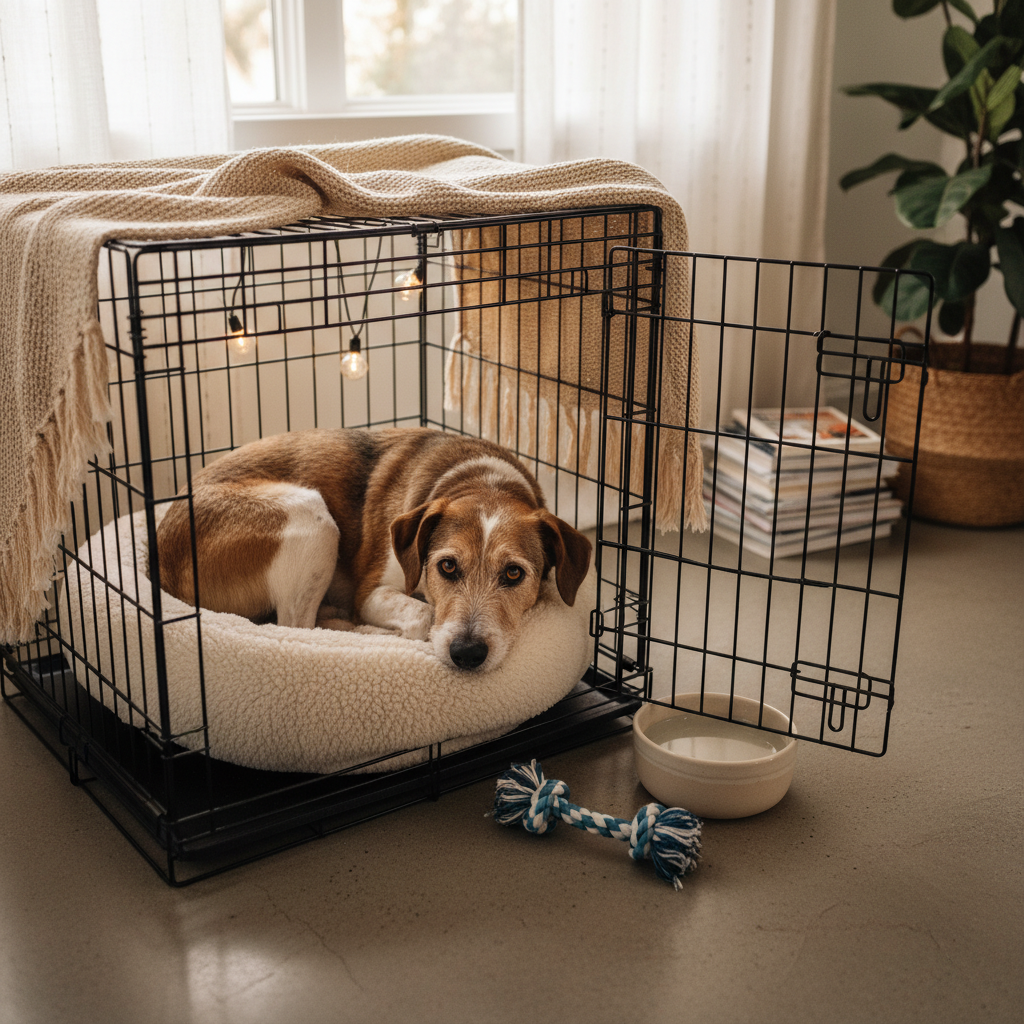
Keep stimulation low and introduce a quiet space or safe space where your dog can retreat. Avoid introducing too many new experiences too quickly. At the same time, begin establishing a basic structure through consistent feeding times, regular toilet breaks, and a clear place for your dog to rest.
Limiting freedom is also important. Giving full access too early can lead to confusion and unwanted behaviours.
Instead, guide your dog through the home gradually, allowing them to build confidence in a controlled way. This helps your dog feel secure and begin adjusting at their own pace.
Training Approach in This Stage
Formal obedience training should not be the focus. Your dog is not in the right state to learn commands reliably.
Instead, focus on routine, calm leadership, and clear but minimal expectations. Show your dog where to rest, guide them through daily structure, and reinforce calm behaviour without adding pressure.
The goal is not to train, but to create the conditions for training to succeed later while supporting your dog’s well-being.
Stage 2 – The First 3 Weeks (Routine & Boundary Phase)
As your dog moves beyond decompression, the next three weeks are where real progress begins.
This stage is where structure and dog obedience training become essential.
What Changes in This Stage
Your dog becomes more confident, more curious, and more engaged with their environment. With this confidence comes boundary testing as they try to understand household rules.
You may notice increased energy, more exploration, and early signs of unwanted behaviours, such as jumping, barking, or leash-pulling.
This is not regression, it is progress. Your dog is beginning to adapt during the adjustment period and showing their emotional state more clearly.
Introducing Balanced Training
This is where balanced training becomes essential. Your dog is now ready for clear communication and consistent guidance.
Balanced training focuses on helping your dog understand what is allowed and what is not, with consistent follow-through. Clarity is key. If rules change day to day, your dog becomes confused. If expectations are consistent, your dog learns how to respond.
Controlled exposure to new environments, including places like dog parks, should be introduced gradually. This reduces the risk of separation anxiety and builds confidence.
Balanced training is not about being harsh; it is about being clear, fair, and consistent, without relying solely on positive reinforcement or avoiding correction entirely.
What Training Should Look Like
Training should now be structured and consistent. Focus on basic obedience training such as sit, recall, and improving leash manners, while reinforcing calm behaviour and addressing unwanted behaviours early.
Short, consistent sessions, including crate sessions and short walks, are far more effective than occasional or inconsistent training. Training should become part of your daily routine.
This Is Where Leadership Matters Most
This stage is where long-term outcomes are shaped. Without clear leadership, dogs create their own rules. With consistent guidance, they begin to understand expectations.
The more clarity you provide now, the easier your dog’s settling process becomes, helping both the dog and owner build a strong foundation.
Stage 3 – The First 3 Months (Trust, Structure & Consistency)
By the three-month mark, most dogs have settled into their new environment and begun to understand their place within the home.
This stage is where everything starts to come together, and where the work you have put in during the first few weeks begins to show in your dog’s behaviour.
Signs Your Dog Has Settled
At this stage, behaviour becomes more predictable. Your dog is responding based on what they have learned rather than reacting to uncertainty.
You will likely see increased confidence, stronger engagement, and a deeper bond. Your dog understands the rhythm of daily life and begins to feel secure.
Advancing Training With Balance
With trust established, training can now become more structured and refined.
Focus on structured obedience, socialisation with accountability, and reinforcing rules consistently. This is also a great time to introduce mental enrichment to keep your dog engaged.
Consistency ensures long-term behavioural stability.
Why This Stage Is Critical
The first three months are when habits are formed. Good habits become reliable behaviours, while poor habits can lead to long-term behavioural issues such as destructive behaviour, resource guarding, or separation anxiety.
This stage defines whether your dog will become a well-adjusted companion or continue struggling with common challenges.
How to Apply the 3-3-3 Rule Using Balanced Training (Step-by-Step)
Understanding the 3-3-3 rule is one thing; applying it correctly is what drives real results. This is where most dog owners struggle. Without a clear plan, it is easy to either do too much too soon or allow behaviours to develop unchecked.
A balanced training approach gives you a practical framework to follow at each stage, combining structure, consistency, and clear communication to guide your dog from day one.
Step 1 – Control the Environment Early
Avoid giving your dog unlimited freedom. Limit access, use a quiet corner or designated rest area, and set boundaries early.
This helps your dog adjust and understand expectations within the home.
Step 2 – Build a Routine Before Freedom
Before increasing independence, establish consistent feeding, walking, and rest times. Predictability reduces anxiety and helps your dog adjust faster.
Step 3 – Introduce Training With Clarity
Use clear commands and consistent follow-through. All family members must apply the same rules.
This clarity supports emotional safety and helps your dog respond reliably.
Step 4 – Address Behaviour Early
Unwanted behaviours such as jumping, pulling, or reactivity should be addressed early.
Ignoring them allows habits to form, leading to long-term challenges like house training regression or persistent behavioural issues.
When to Work With a Professional Dog Trainer
While many dogs respond well to structure at home, there are times when support from a professional dog trainer is needed.
Persistent behavioural issues, aggression, or stalled progress often indicate the need for guidance.
Working with a trainer provides structured programs, targeted behaviour correction, and real-world results that go beyond basic obedience.
This support ensures your dog continues progressing confidently into their forever home, making the process of adopting a rescue an incredibly rewarding experience.
Need More Help Training Your Dog with this Method? Contact Allbreeds Today!
Applying the 3-3-3 rule with the right structure and consistency can make a significant difference in how your dog settles, learns, and behaves long-term. If you are struggling to see progress or want expert guidance to fast-track results, our team at Allbreeds can help.
With tailored training programs designed around real-world behaviour, we’ll help you build clarity, confidence, and control so your dog can thrive in your home.