

What Dog Breed Is Hardest to Train?
The Afghan Hound is widely considered the hardest dog breed to train due to its strong independence and tendency to ignore commands. Some studies suggest these dogs require significantly more repetition to learn new behaviours and may still choose not to follow them.
However, they are not alone. Several breeds commonly found in Australia are considered difficult to train due to traits like independence, stubbornness, and low motivation to please.
Understanding these traits is key, as training difficulty is not about intelligence, but how a dog is wired to learn.
The Hardest Dog Breeds to Train
While any dog can be trained with the right approach, certain dog breed types are widely recognised as more challenging due to their temperament, instincts, and behavioural traits.
These hardest dog breeds are not difficult because they lack intelligence, but because they are more independent, strong-willed, or driven by instinct rather than a desire to follow commands.
Many of the hardest dogs to train fall into this category, particularly those originally developed for working roles.
Siberian Husky
The Siberian Husky is one of the most well-known hardiest dogs due to its independent nature. Siberian huskies were originally bred to work in teams while making independent decisions, which makes them less responsive to commands.
They are an active breed that requires significant physical exercise and mental stimulation. Without proper structure, they can become bored quickly, leading to destructive behaviour and inconsistent outcomes during the training process.
Beagle
Beagles are classic scent hounds and were originally bred as hunting dogs, giving them a strong sense of smell that often overrides obedience.
They are easily distracted and prioritise scents over commands, making recall difficult. Their high energy means they need structured dog training and controlled environments to stay engaged during training sessions.
Jack Russell Terrier
The Jack Russell Terrier is one of the hardest dogs to train due to its intensity and drive. As an intelligent breed, they require constant engagement.
Without enough stimulation, they can develop destructive behaviour and other training challenges. These are difficult dogs that require dedicated training and consistency to channel their energy into desired behaviours.
Dachshund
Dachshunds are small but part of the most stubborn breeds, known for their stubborn nature and independence. As hunting dogs, they were originally bred to work alone, which explains their independent streak.
They can be selective in when they choose to respond, making consistent training essential to train effectively.
Rottweiler
Rottweilers are powerful and extremely loyal dogs that require strong leadership and structure. While they are capable of high-level obedience training, they can become difficult without boundaries.
Early training and early socialisation are critical to ensure they are properly trained and remain balanced.
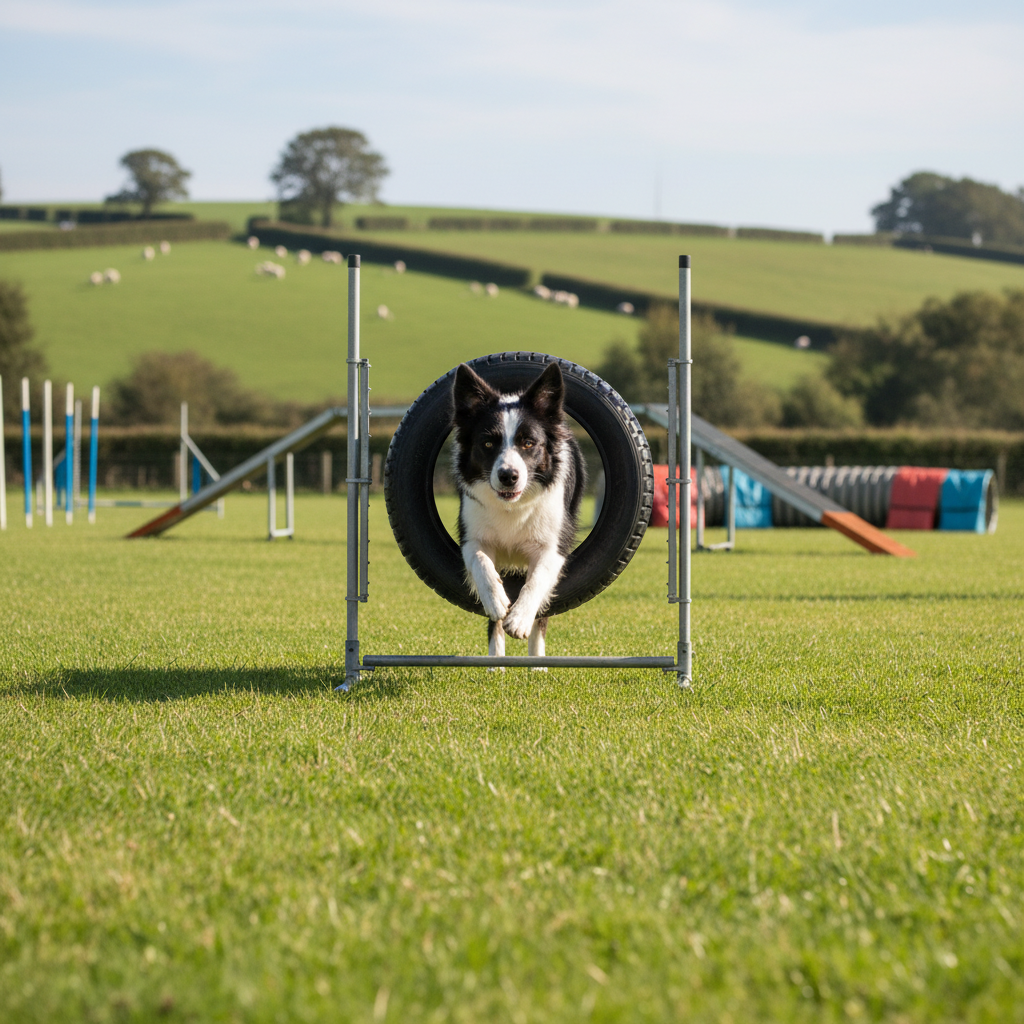
Border Collie
The border collie is widely considered one of the smartest dog breeds, but this does not make them easy to manage. As a highly intelligent working dog, they require constant purpose.
Without enough mental stimulation, they can develop unwanted behaviours. They are not necessarily hard to train, but they are difficult to manage without structure.
This is where proper dog training and advanced training methods become essential.
French Bulldog
French Bulldogs are affectionate but can be difficult to train due to their low motivation and a bit of a stubborn personality. While they are intelligent dogs, they are not always driven to follow commands.
Short, engaging training sessions and short training sessions in particular are key. Without structure, they can develop selective listening habits.
Cane Corso
The Cane Corso is a dominant dog breed that requires experienced handling. As one of the harder-to-train guardian breeds, they need clear leadership from the start.
Without structured dog training, they can develop strong-willed behaviours. Training must be consistent, controlled, and focused on building mutual respect.
Why These Breeds Are So Difficult to Train
Many of the hardest dog breeds to train share a common background. They were originally bred for roles like guarding, tracking, or working independently, often without direct human guidance.
This led to independent thinking, meaning they rely less on human direction compared to other dogs. Unlike more compliant breeds such as the Labrador retriever or golden retriever, these dogs often make decisions based on instinct.
This behaviour is often misunderstood. These are not bad or uncooperative dogs; they are simply independent thinkers. Many of the hardest dog breeds are actually highly capable, but require different training methods.
Can These Breeds Be Trained Successfully?
Yes, even the hardest dogs can be trained successfully with the right approach.
Training success depends on consistency, timing, and leadership. A structured training process ensures clarity, while timing improves communication and reinforcement.
At Allbreeds, the focus is on practical dog training that adapts to the individual dog, not just the same breed.
With the right structure, even difficult-to-train breeds can become reliable and responsive.
When to Work With a Professional Dog Trainer
Some training challenges can be managed at home, but others require professional support.
If your dog shows persistent behavioural issues, reactivity, or a lack of progress, it may be time to seek help. This is especially important for first-time dog owners working with the hardest dogs to train.
Working with a professional trainer provides:
- Structured training programs tailored to your dog
- Real-world results beyond basic obedience
- Faster, more reliable outcomes
At Allbreeds, the focus is on helping through structured, results-driven programs that build a strong bond between you and your dog, while supporting long-term behaviour and overall health.
Have a ‘Hard Dog’ to Train? Contact Allbreeds Today!
Training a challenging dog does not come down to the breed; it comes down to the approach. With the right structure, consistency, and guidance, even the most independent or strong-willed dogs can become calm, responsive, and reliable. At Allbreeds, we specialise in real-world dog training that delivers lasting results.
If you are struggling or want to get it right from the start, our team is here to help you build a well-behaved dog and a stronger, more confident relationship.