

How to Reduce Your Dog’s Barking at Night
Reducing your dog’s barking at night starts with understanding why it’s happening and addressing the root cause. Dogs may bark after dark because of discomfort, anxiety, environmental triggers, or unmet physical or mental needs. Begin by ruling out any medical issues with your vet, then focus on improving your dog’s sleeping setup to reduce stimuli and help them feel secure.
A consistent routine, increased daytime activity, and positive reinforcement training can teach your dog that quiet behaviour is rewarding. Avoid punishment, and if the barking continues despite good management, working with a qualified trainer or behaviour professional can provide personalised guidance.
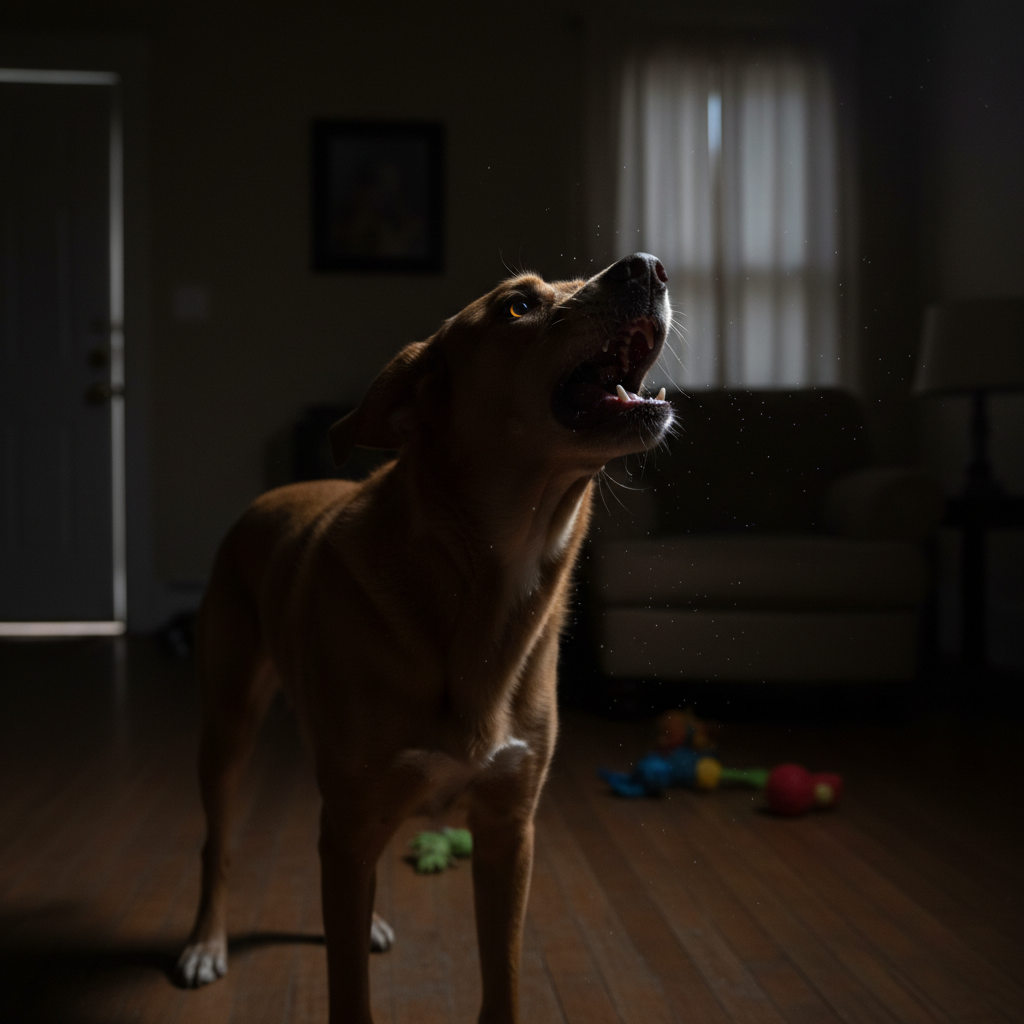
11 Steps on How to Reduce Nighttime Barking
1. Rule Out Health Issues First
Before addressing behaviour, ensure your dog’s barking at night isn’t caused by pain or a medical condition. Sudden behaviour changes, especially in most dogs who normally sleep well, can indicate discomfort that needs treatment.
Senior dogs are more prone to joint pain, confusion, and digestive upset, all of which may lead to barking at night. If your dog starts vocalising more than usual or is showing signs of discomfort, a check-up with your vet is the best first step.
2. Improve Your Dog’s Sleep Environment
A calm, comfortable environment is one of the simplest ways for your dog to stop barking overnight. Bringing your dog indoors helps reduce reactions to other animals, neighbourhood noise, or outdoor movement. Create a secure sleeping area using crate training or a cosy bed in a quiet room.
Reduce visual triggers using blinds, curtains, or privacy film. White noise machines or a fan can help mask sounds that often cause nighttime barking. Make sure your dog has a final toilet break before bed and access to water to avoid unnecessary waking.
3. Increase Daytime Physical Exercise
A dog with leftover pent-up energy is far more likely to struggle with sleep. Aim for structured morning and afternoon walks. During Perth’s hotter months, walk during safe times to avoid heat stress.
High-energy breeds or working dogs need more movement than others, so tailor exercise based on your dog’s age, breed, and activity level.
A well-exercised dog is less likely to experience nighttime restlessness.
4. Boost Mental Stimulation
Mental stimulation is just as important as physical exercise when reducing excessive barking. Incorporate enrichment such as training sessions, puzzle toys, sniffing activities, and scent games.
Dogs who receive sufficient mental exercise are more content and enjoy deeper, more restorative sleep, which helps prevent dog barking at night.
5. Build a Calm, Predictable Bedtime Routine
Dogs thrive on structure. Establish a routine that includes gentle grooming, slow strokes, dim lighting, and quiet time before bed. These calm rituals help lower anxiety and teach your dog when it’s time to settle.
A predictable routine creates positive associations with bedtime and supports a good night’s sleep for both owners and pets.
6. Teach the “Quiet” Cue Using Positive Reinforcement
Teaching a quiet cue gives your dog an alternative behaviour to barking. Allow your dog to bark a few times, then calmly say “Quiet.” When they pause, even for a moment, reward them with praise and treats.
Practise this consistently and gradually increase the required duration of silence. Once solid, generalise the cue to nighttime by practising near bedtime routines or common barking triggers.
7. Prevent Reinforcing Night Barking
Many pet owners accidentally reinforce barking dog behaviour by responding too quickly. If the barking is attention-seeking and your dog is safe, ignore the behaviour until they are silent. Any reaction, including talking to the dog, can reinforce the noise.
However, do NOT ignore barking at night caused by pain, fear, or toileting needs. Understanding the root cause is essential.
8. Address Separation Anxiety
Dogs with separation anxiety often struggle most at night. In these cases, barking is not misbehaviour, it’s distress. Gradually build independence through short absences during the day, and use comfort conditioning to help your dog feel secure.
If your dog is feeling anxious or panicked when left alone, seek personalised guidance from a behaviour professional. Anxiety-based barking will rarely resolve without targeted training.
9. Adjust Feeding & Evening Timing
Feeding too late can cause discomfort, contributing to barking at night. Offer main meals earlier in the evening so your dog can digest comfortably.
Adjust water intake for puppies and senior dogs, too much right before bed may lead to overnight toilet needs, while too little can cause restlessness. Finding the right timing reduces unnecessary waking throughout the night.
10. Avoid Aversive Tools
Tools like anti-bark collars, citronella collars, spray collars, and ultrasonic devices may stop dogs stop barking momentarily, but they often increase fear and worsen anxiety.
Balanced training does not rely on punishment. Instead, focus on why your dog is vocalising and use positive reinforcement to promote calm behaviour.
11. Use Temporary Management Tools (Ethically)
Supportive tools can help while working on long-term training. White noise can reduce reactions to external sounds, and calming aids such as pheromone diffusers or L-theanine may provide a calming effect.
A soft night light can help your pup feel comfortable during adjustment periods. What matters most is avoiding aversives and using supportive tools as part of a humane plan that helps your dog feel secure.
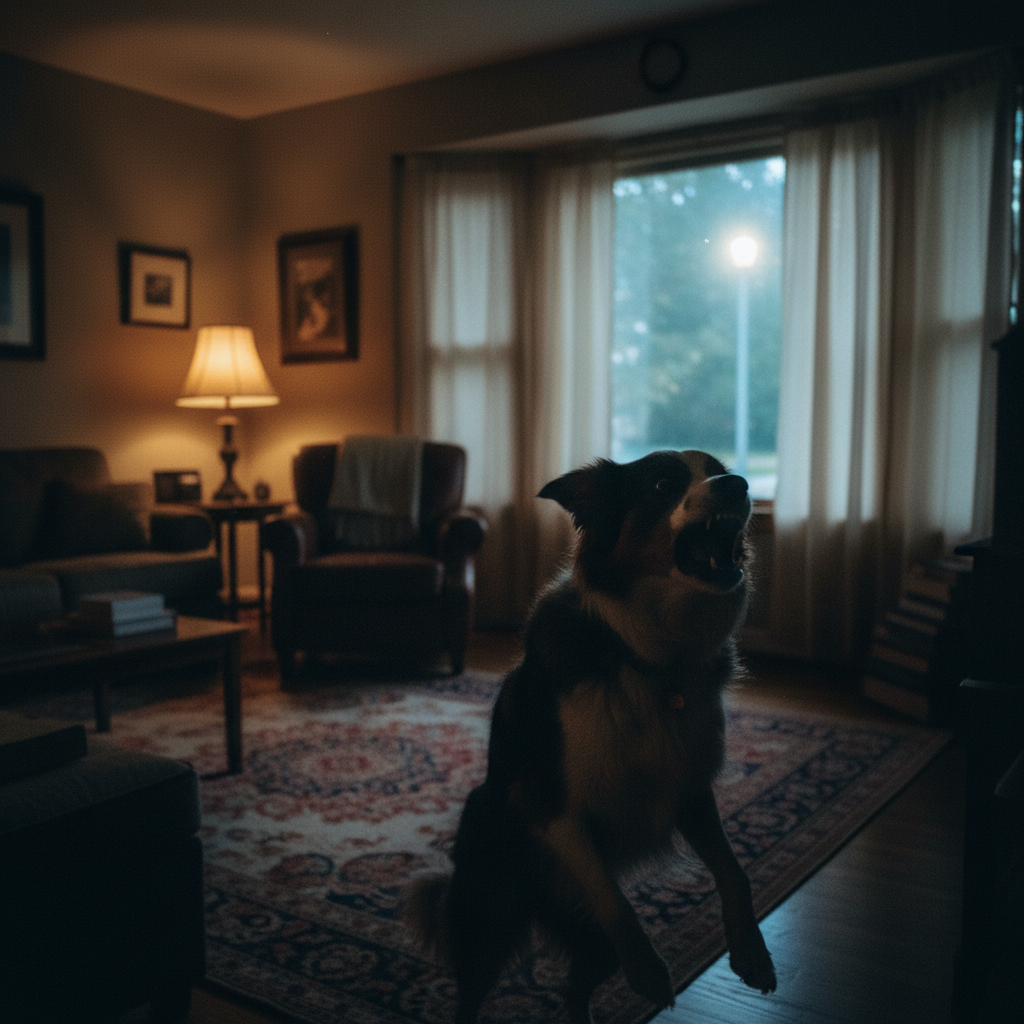
Why Dogs Bark at Night
Sensory Triggers and Noises
Dogs perceive their environment through highly sensitive sounds, smells, and movement. In Perth, nighttime often brings possums, neighbourhood cats, or other animals that trigger a dog to bark. Even distant footsteps or a rattling gate can prompt nighttime barking.
Dogs bark simply because they hear things we don’t; they’re communicating, not misbehaving.
Alarm and Territorial Barking
Territorial barking happens when your dog believes they’re protecting their home. Movement outside, unfamiliar noise, or nearby activity may trigger barking at night.
In neighbourhoods with many dogs, one barking dog often triggers another, leading to group barking driven by pack instincts.
Potential Reasons Why Your Dog Started Barking at Night
Environmental Changes
New neighbours, construction, shifting smells, or seasonal changes can cause a dog’s behaviour to change.
Perth’s warmer evenings often bring increased wildlife and open windows, which expose dogs to more external noise and other animals, triggering nighttime barking.
Routine Disruption
FIFO rosters, shift work, and returning to office schedules all impact a dog’s sense of security. Changes in where they sleep, or who they sleep near, can also lead to temporary barking at night.
Stress or Emotional Regression
Major life changes, such as moving house or the arrival of a baby, may cause a dog to regress emotionally. Even confident dogs may become clingy or vocal as they navigate stress.
Nighttime is when these emotions surface most, leading to started barking behaviour seemingly out of nowhere.
Contact Allbreeds to Help Reduce Your Dog’s Barking at Night!
Nighttime barking can be frustrating, but with the right combination of routine, training, and environmental adjustments, most dogs can learn to settle calmly through the night. If you’ve tried the strategies above and your dog is still struggling, Allbreeds can help. As Perth’s trusted balanced dog trainers, we work with dogs of all ages, temperaments, and behavioural histories to address barking at its source and build long-lasting calm behaviour.
Reach out to our team for personalised support and give both you and your dog the peaceful nights you deserve.