

How to Phase Out Treats When Dog Training
Phasing out treats when dog training is about changing how and when rewards are delivered, not removing them altogether. The most effective approach is to first ensure your dog understands the behaviour reliably, then gradually reduce treat frequency by switching to intermittent rewards.
By mixing food rewards with praise, play, and real-life rewards such as sniffing or going outside, training becomes more unpredictable and motivating.
Dogs continue to respond because they never know when a reward is coming, especially when higher rewards are saved for difficult distractions or excellent responses.
When Is Your Dog Ready to Phase Out Treats?
Phasing out treats should only begin once your dog clearly understands a behaviour and can perform it reliably. For many dog owners, this is one of the most important milestones in the training process.
Moving too early often weakens your dog’s response, while waiting until your dog is genuinely ready helps maintain confidence, motivation, and positive reinforcement.
Mastery Comes First
Before reducing food rewards, your dog should respond correctly in multiple situations. This includes at home, outdoors, and around everyday distractions like people, other dogs, and noises.
A specific behaviour that only works in the living room during early training sessions is not ready to be maintained without regular food treats.
A helpful guideline is the 90% rule. If your dog responds correctly around 9/10 times in a specific environment, the behaviour is well learned.
At this stage, you can start fading treats, but higher-value treats should still be used in distracting environments or when introducing new skills.
Signs You’re Moving Too Fast
If treats are reduced too quickly, most dogs show clear warning signs during the learning process. These include slower responses to a cue, hesitation, avoidance, or visible frustration during dog training.
When this happens, increase rewards again temporarily. Returning to a higher rate of reinforcement, including more treats or food rewards, helps restore clarity and confidence.
Once your dog is responding happily and consistently again, you can resume fading treats at a slower pace.
Step-by-Step: How to Phase Out Treats Correctly
Phasing out treats isn’t about removing rewards entirely. The ultimate goal is to change how and when treats are delivered so your dog stays motivated without becoming treat dependent or expecting food every time.
Step 1 – Fade the Lure
If your dog only responds when they can see food, they’re following the treat rather than the cue. This often happens early when you start training using training treats.
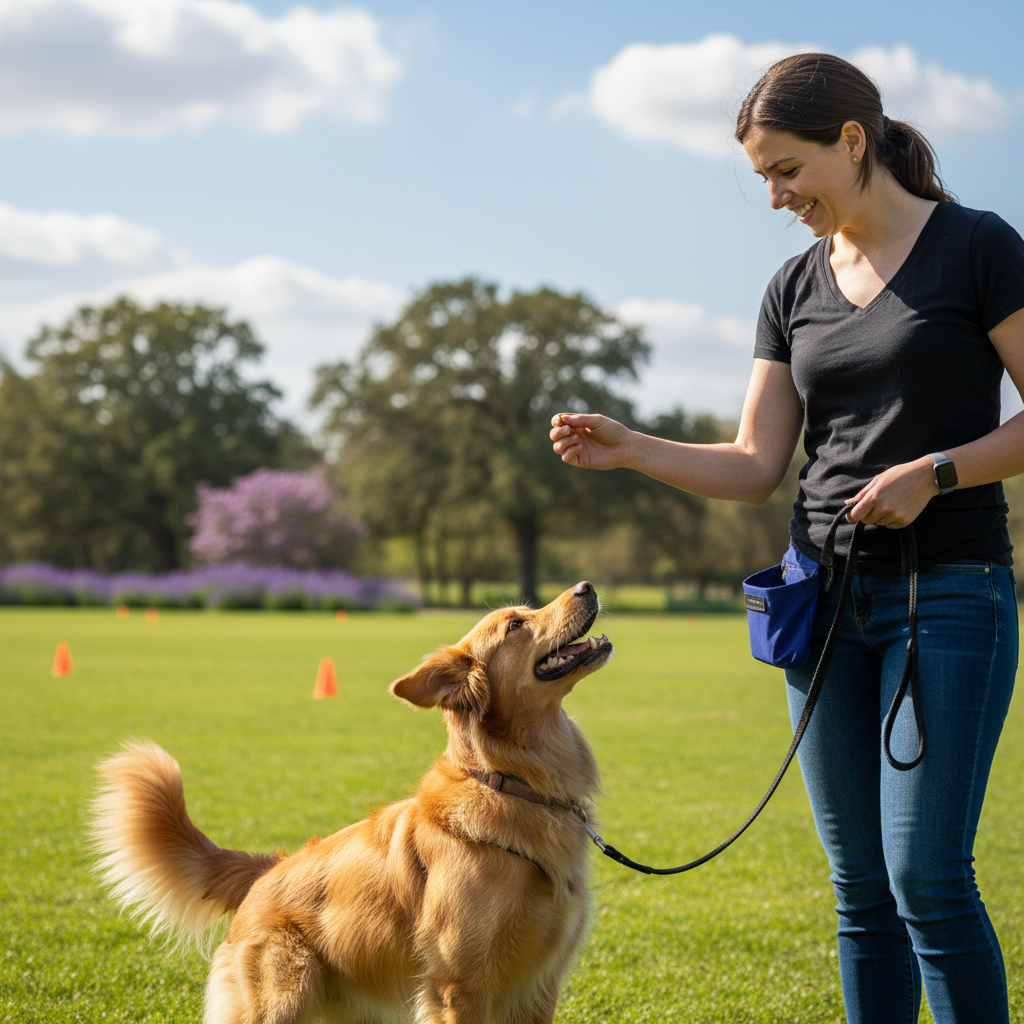
Move treats from your hand into a pocket or a treat pouch. Ask for the behaviour first, then reward after your dog performs it.
This teaches your dog to respond to the cue instead of watching for food.
Step 2 – Reduce Frequency Gradually
Once your dog’s responses are reliable, begin spacing out food rewards. Instead of rewarding every repetition, reward four out of five correct responses, then move to three out of five.
This gradual approach to fading treats keeps motivation high and avoids confusion.
Sudden drops often cause frustration, slow responses, or a breakdown in training progress.
Step 3 – Introduce Other Rewards
Food isn’t the only highly rewarding option for dogs. Mixing in other rewards helps reduce reliance on dog treats while keeping training fun.
Use verbal praise, affection, toys, a game of tug, fetch, or access to things your dog likes. These real-life rewards include sniffing on walks, greeting people, exploring new areas, or moving forward during lead work.
Dogs learn that good behaviour unlocks real-world benefits, not just food.
Step 4 – Use Jackpots Strategically
Jackpots are larger or more exciting rewards given for exceptional effort. This might include more treats, a favourite toy, or extended play.
Use jackpots for difficult recalls, strong responses around distractions, or major breakthroughs in the training process.
Because jackpots are unpredictable, they work on a variable schedule similar to a slot machine, increasing motivation and long-term reliability.
4 Common Mistakes When Phasing Out Treats
Phasing out treats is a gradual process, and small missteps can quickly lead to setbacks. Avoiding these common errors helps many dog owners keep training effective and enjoyable.
1. Reducing rewards too quickly
One of the most common mistakes is cutting back on treats before a behaviour is fully learned. If food rewards drop too fast, dogs may become confused or stop performing altogether.
Gradual reductions allow most dogs to stay confident while adapting to fewer rewards.
2. Expecting reliability in new environments without support
A behaviour that works perfectly at home may fall apart in a park, class, or busy street. Distracting environments increase difficulty, so dogs often need more treats again.
Fading treats should always be context-specific, not universal.
3. Removing food rewards entirely
Dog treats should never disappear completely. Even well-trained dogs benefit from occasional food treats, especially for difficult tasks or high-distraction situations.
Trying to completely phase food rewards out can weaken behaviours over time.
4. Using praise that hasn’t been conditioned as meaningful
Praise only works if it has been paired with rewards often enough to matter to your dog. If verbal praise hasn’t been reinforced during the learning process, it may not function as a reward on its own.
Conditioning praise alongside food rewards ensures it remains effective when treats are reduced.
Real-Life Rewards That Replace Treats
Food isn’t the only thing your dog finds motivating. Many everyday experiences are just as powerful and are an essential part of effective methods for fading treats.
Everyday Rewards Dogs Value
Dogs naturally value access to things they enjoy. Opening doors, sniffing on walks, attention, pats, play, and freedom are all powerful rewards.
For example, asking for a ‘sit’ before opening a door encourages calm behaviour. Allowing sniffing after polite walking reinforces loose-lead skills.
Brief play or praise becomes highly rewarding when paired consistently with success.
Training in the Real World
Daily routines offer constant opportunities to reinforce behaviour without treats. Walks, mealtimes, play, and greetings all support the training process.
By using real-life rewards, dogs learn that listening and making good choices lead to access, freedom, and fun, even without treats present.
Do You Ever Stop Using Treats Completely?
Why Rewards Never Fully Disappear
In effective dog training, rewards are never removed entirely. Behaviours require ongoing reinforcement to stay strong.
Food rewards are especially important in challenging situations, such as recalls around distractions or emotionally demanding moments.
Paying well for these efforts keeps behaviours reliable.
Long-Term Training Success
Long-term success comes from combining a variable schedule of rewards with real-life reinforcement.
Treats are given unpredictably, praise and play are used more often, and everyday rewards reinforce good decisions.
This approach creates confident dogs who respond reliably without treats always being present.
Luring vs Rewarding
Understanding the difference between luring and rewarding is essential when learning how to phase out treats during dog training.
While both methods can be useful, using them incorrectly can slow progress and create unwanted dependency on food.
Why Luring Must Be Phased Out Early
Luring uses food to guide a dog into position. It’s useful when you start training new behaviours, but it should be temporary.
If luring continues too long, dogs learn to follow the food instead of responding to the cue.
This creates treat-dependent behaviour and reduces reliability when food isn’t visible.
Rewarding After the Behaviour
Rewarding your dog happens after they perform the behaviour. The food reward is not shown in advance.
This creates clearer communication and teaches dogs that responding to a cue earns the reward.
Over time, dogs learn to perform confidently, consistently, and without visible food.
Have More Questions about Phasing Out Treats? Contact Allbreeds Today!
Phasing out treats is about timing, consistency, and understanding what truly motivates your dog. When done correctly, it leads to confident, reliable behaviour without relying on food every time.
If you’re unsure when to reduce rewards, how to handle distractions, or how to keep training effective as your dog progresses, our experienced trainers at Allbreeds can help!
Contact us today for personalised guidance and support to keep your training on track and your dog thriving.