

How to Manage a Multi-Dog Household
To manage a multi-dog household successfully, structure and consistency matter more than anything else. Clear routines, supervised interactions and separate management of food, toys and high-value resources prevent unnecessary conflict. Each dog needs individual training, one-on-one attention and their own safe space so they don’t feel pressured to compete.
Tools like crates, baby gates and designated rest zones help keep the environment calm, while regular exercise and mental stimulation reduce stress throughout the group. When each dog feels secure and understands routines, your multi-dog home becomes a peaceful place for every canine member.
Tips for a Harmonious Multi-Dog Home
- Feed in separate rooms or crates to prevent guarding at feeding time.
- Reinforce calm behaviour before meals, walks and greetings.
- Give each dog their own space through crates, pens or beds.
- Train dogs individually before practising together as a canine family.
- Supervise high-energy play time carefully.
- For dog owners managing multiple dogs, structure and consistency are essential for a calm and safe household.
- Avoid competition for attention; reward patient behaviour.
- Schedule one-on-one time for bonding.
- Use baby gates and management tools during higher-risk moments.
- Control access to toys and food-based resources.
- Create routines to maintain harmony in the household.
Managing Resources to Prevent Conflict
Feeding Multiple Dogs Safely
Mealtimes are a common source of resource guarding, especially in homes with multiple dogs. Feeding dogs separately, in crates or different rooms, helps each dog feel secure.
Avoid free-feeding, as it increases stress and encourages the instinct to protect food. Teaching dogs to sit and eat on cue reinforces predictable rules and strengthens structure.
Handling High-Value Toys, Treats and Bones
Many conflicts involve treat items or prized toys. Dogs may stiffen, hover, stare or have subtle body language that signals discomfort.
Removing items when arousal rises prevents the worst-case scenario where minor tension becomes a fight.
Introduce items slowly and only when all the dogs in the same room are calm.
Why Each Dog Needs Their Own Space
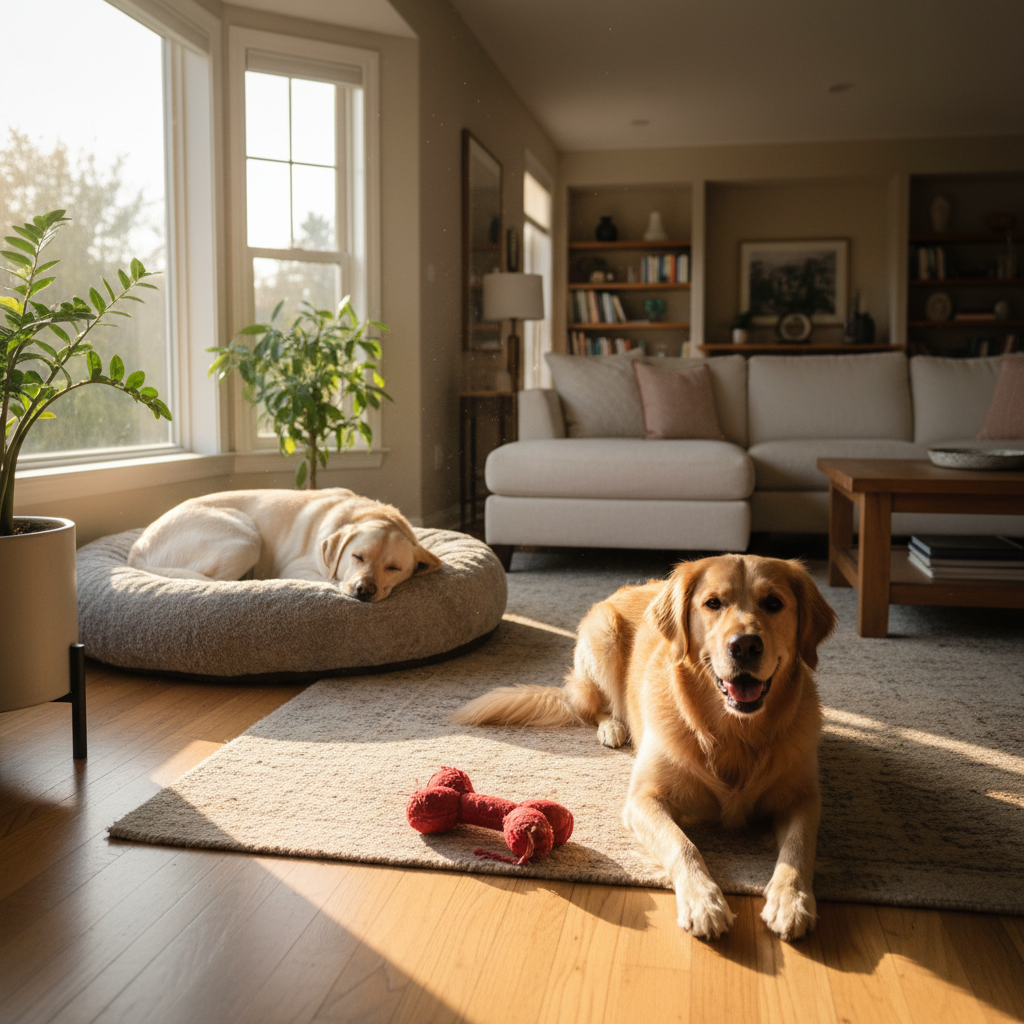
Every multiple-dog household should offer safe zones: crates, pens, beds or quiet corners. Crate training provides comfort, creates boundaries and reduces overstimulation.
Senior dogs or puppies benefit from peaceful zones separate from energetic dogs.
Encouraging rest breaks throughout the house prevents overwhelm and helps each dog settle quickly.
How to Prevent and Manage Conflicts
Early Signs of Tension to Watch For
Good management starts with recognising subtle signals:
- Stiff body posture
- Freezing
- Staring or tense body language
- Hovering over resources
- Play that shifts from chasing, pinning or mounting
These behaviours indicate rising arousal and should prompt early intervention.
What to Do When Dogs Disagree
If dogs disagree, yelling can escalate the fight. Use a calm, firm cue like “Enough.” Avoid grabbing collars; instead, create space using baby gates or dog barriers.
Allow dogs to cool down in separate rooms. It’s advisable to avoid punishment, as it often makes other dogs more anxious.
When Fights Are Repeated or Serious
Frequent or intense arguments are not something all dogs will resolve naturally.
Contributing factors include:
- Pain in adult dogs or older dogs can increase irritability and lead to tension that appears to come out of nowhere.
- Anxiety
- Poor impulse control
- Unclear structure
This is when you need a trained professional to develop a management plan.
Training Strategies for Multi-Dog Living
Train Individually Before Training Together
For those who are thinking about training a multi-dog routine, start by teaching commands like sit individually. Dogs learn faster without competition.
Once reliable, practise together to help them respond even with the distraction of one dog or multiple peers nearby.
Teaching Calm Behaviour Around the House
Teaching calmness makes life easier:
- Control doorways to prevent crowding
- Use go-to-mat to build relaxation habits
- Reward quiet instead of excitement
This promotes predictable behaviour throughout the household.
How to Stop Competing for Attention
Competition for affection is common when living with multiple dogs. Prevent conflict by rewarding polite waiting, ignoring demanding behaviour and greeting dogs calmly. This reduces jealousy between the dogs.
Managing Play, Energy and Emotions
How to Supervise Play So It Stays Friendly
In a multi-dog household, play can escalate quickly. Watch for stiffening, pinned ears, escape attempts or escalating growls.
Interrupt early using a cheerful recall or short break so dogs can reset. Avoid grabbing collars to prevent redirected aggression.
Exercise Routines That Minimise Stress
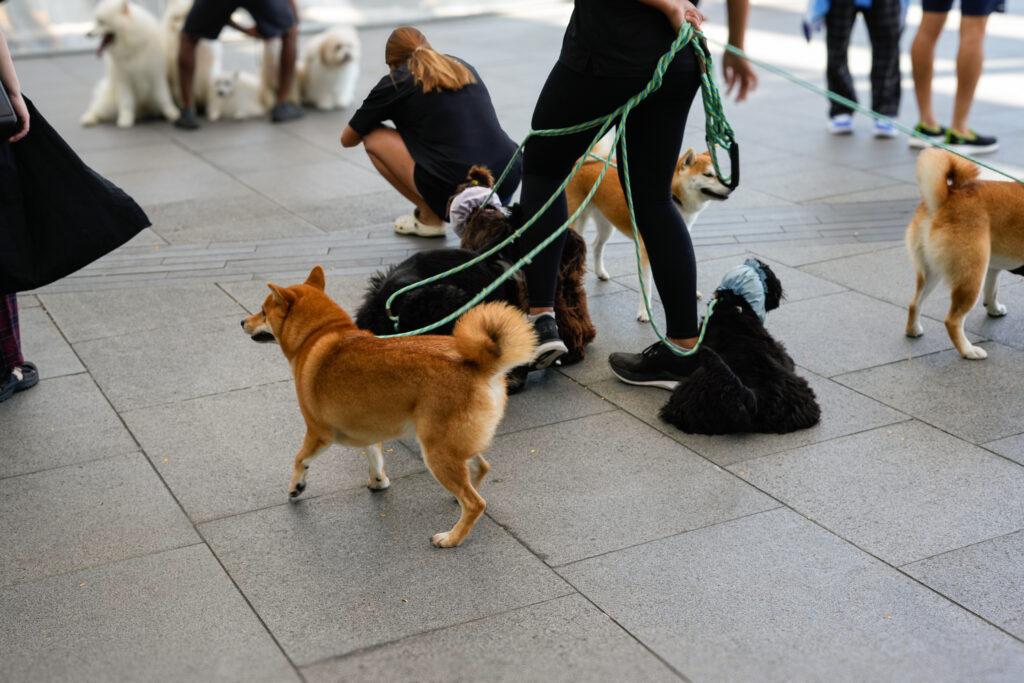
When managing two dogs or more, individual walks help reduce competition and make outings more enjoyable.
Provide:
- Structured walks (avoid overstimulating dog park trips)
- Puzzle games
- Obedience sessions
- Sniffing activities
Individual walks also help dogs relax without competing for the lead during a group walk.
Preventing Over-Arousal and Fights
Identify triggers such as:
- Doorways
- Fast movement
- Excitement around the family
Some owners explore calming aids such as pheromone diffusers or Rescue Remedy, but these should only be used alongside proper training and management.
Building Individual Bonds in a Multi-Dog Home
Why One-on-One Time Matters
Dogs living in a multi-dog household often bond more to each other than to humans.
Regular one-on-one time helps them stay responsive, balanced, and confident. It strengthens your relationship and supports better training outcomes.
Teaching Dogs It’s OK to Be Apart
Dogs should practise being alone in all the rooms of the house. This prevents distress when a new dog enters the home or when one dog leaves temporarily.
When to Seek Professional Help
Persistent Resource Guarding
If one or more dogs consistently guard food, toys, beds or even people, it’s a sign that household dynamics need expert intervention.
Guarding often escalates over time, and early professional support helps prevent serious incidents.
Escalating Fights
When arguments become more frequent, intense or unpredictable, it’s no longer safe to let the dogs “work it out.”
Escalating aggression indicates rising stress or unresolved conflict that requires a structured behaviour plan.
Anxiety Between Dogs
If one dog seems fearful, avoids another dog, or shows tension during everyday interactions, underlying anxiety may be driving conflict.
A professional trainer can identify the emotional triggers behind this behaviour and help restore confidence.
New Dogs Struggling to Integrate
Introducing a new dog into an established group can be challenging. If tension persists after the initial adjustment period, a trainer can assess compatibility, create a gradual introduction plan and prevent long-term issues.
How a Trainer Can Design a Safe, Personalised Management Plan
A qualified behaviour professional can:
- Evaluate the dynamics and stress points within your multi-dog household
- Identify triggers, patterns and risks
- Create a tailored training and management plan suited to each dog’s temperament
- Provide safe intervention strategies for conflict situations
- Help you build long-term harmony through structure, training and behaviour modification
Professional guidance ensures that your home stays safe, peaceful and enjoyable for every dog in your care.
Learn How to Manage a Multi-Dog Household at Allbreeds Today! Contact us!
Creating a peaceful, structured and safe multi-dog home doesn’t have to be overwhelming. With clear routines, thoughtful management and personalised training, you can build a household where every dog understands house rules, feels secure and thrives as part of your family. If you need guidance tailored to your unique situation, our team at Allbreeds is here to help.
Reach out today and let us support you in creating the calm, well-balanced multi-dog environment your dogs deserve.